
 Share
Share 



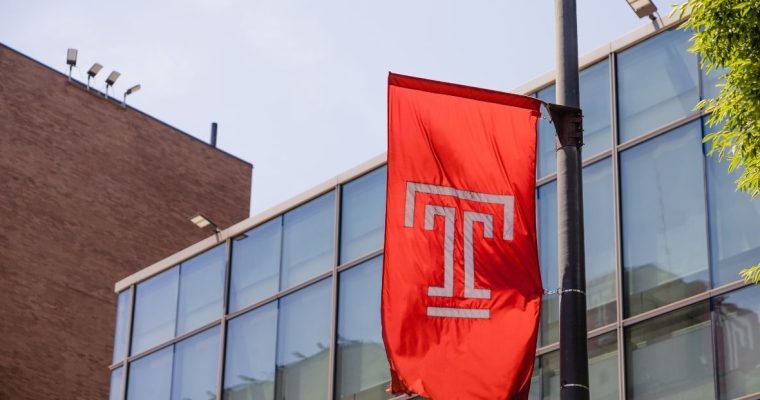
In a sweeping enforcement move, the NCAA has revealed that it is investigating 13 former men’s basketball student-athletes for suspected violations of sports betting rules, and among the institutions involved is Temple University.
This development showcases broader concerns around sports betting and the integrity of college athletics.
This probe is significant for Pennsylvania, where sports betting is legal and heavily regulated.
School not accused of wrongdoing
The NCAA alleges that these former student-athletes engaged in betting activities such a betting on and against their own teams, to sharing inside information for profit, to manipulating game outcomes.
While their names remain confidential as the infractions process continues, Temple has been identified as one of six schools tied to the ongoing investigations. The others include Eastern Michigan, Arizona State, New Orleans, North Carolina A&T, and Mississippi Valley.
Crucially, the NCAA’s statement underscores that the university itself is not accused of wrongdoing. No penalties are being sought against Temple at this time. Enforcement efforts remain targeted squarely at the former student-athletes.
One Temple game under scrutiny
This development comes amid a heightened spotlight on the integrity of college sports in the era of legalized betting. The NCAA emphasized that monitoring suspicious wagers, investigating anomalous betting patterns, and disciplining illicit conduct are top priorities.
Its enforcement staff reportedly detected unusual betting around regular-season games, then corroborated the activity using evidence such as text messages and social media communications. One of those included a game against UAB, where Temple opened 2-point underdogs, which increased to eight before tip-off.
If Temple’s involvement draws deeper scrutiny or contributes to tightening oversight of athletes’ conduct, the state could respond. It could potentially reinforce guidelines or collaborate with entities like the Pennsylvania Gaming Control Board to bolster integrity safeguards.
As the NCAA’s investigation progresses, Temple fans, state regulators, and betting operators in the Keystone State will be tracking closely. While the allegations are serious, they remain unproven, and the university itself faces no official sanctions.
What’s clear: sports betting’s impact on college athletics remains a volatile issue.