
 Share
Share 



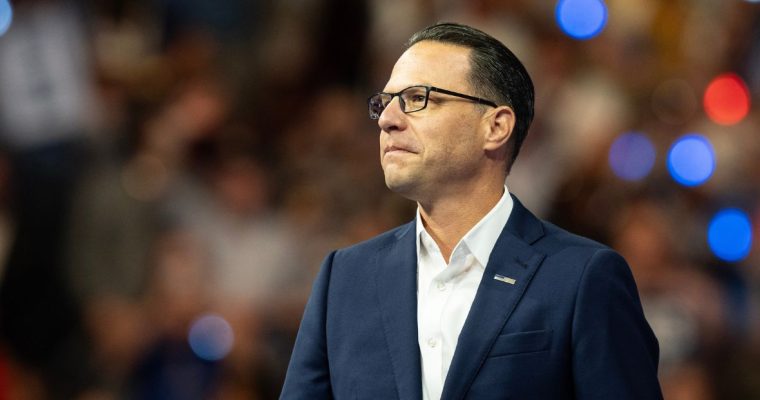
Pennsylvania Gov. Josh Shapiro once again has skill games front and center in his 2026/2027 budget proposal.
Shapiro is accounting for tax revenue and regulation of the machines for a third straight year. He’s come up empty in each of the last two.
Retail casino executives have blamed skill games for a lack of growth, while skill games manufacturers have pointed to Pennsylvania online casinos as the real competition.
Third time the charm?
For the second straight year, Shapiro is eying a 52% tax on skill games. He estimates that there are 40,000 machines circulating in the Keystone State.
In the governor’s budget brief, he laid out terms and some revenue figures, should it get across the finish line:
“With a maximum number of five machines per establishment, this proposal would see gross terminal revenues taxed at an effective rate of 52%, with all the proceeds after funding for compulsive gambling support and local share transfers deposited into the General Fund, generating more than $2 billion a year in revenues.”
Shapiro lumped in skill games revenue with legalizing adult-use cannabis, which “together could generate approximately $2 billion annually, providing long-term, recurring revenue to support schools, public safety, and taxpayer relief.”
Ruling on legality of skill games coming soon
A case on the legality of skill games was heard in November, with an official ruling likely coming sometime this year. However, lawmakers have been aiming to regulate and tax the machines for some time.
There are currently multiple bills that have been introduced by different lawmakers. Some of those are:
- Sen. Gene Yaw: Introduced SB 626, which enacts a 16% tax on the machines
- Sen. Gene Yaw: Introduced SB 1079, establishing fees
- Sen. Chris Gebhard: Introduced SB 756, which includes a 35% tax on the machines
- Rep. Kerry Benninghoff: Introduced HB 1619, which would place no additional tax on the games
- Rep. Danilo Burgos: Introduced HB 2046, establishing fees and cutting taxes for Category 4 mini-casinos
Shapiro is aiming for the budget to be in place by July 1, when FY 2026/2026 begins.
The retail casino industry has been critical over the lack of regulations over the games. However, skill games manufacturers have been seeking regulation for years, and pointed to iGaming as the casino’s real competition.
There are several more moving parts to the skill games saga, which is likely to carry on throughout the year.