
 Share
Share 



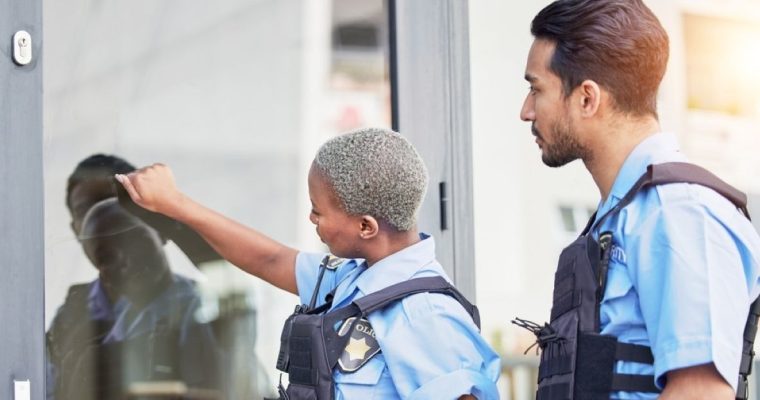
Businesses that continue hosting skill games machines after Oct. 13 could face enforcement action, according to Pennsylvania State Police.
The deadline stems from a Pennsylvania Supreme Court ruling that unregulated skill games are slot machines.
Law enforcement agencies may seize the machines, related equipment and money connected to their operation. Businesses that continue to possess, operate, or maintain the devices could also face criminal charges.
Simply switching off or unplugging a machine will not meet the requirement. Businesses must arrange for the devices to be removed from the establishment.
State Police issued the reminder on Sept. 9 to bars, restaurants, convenience stores and other locations that host the machines.
Businesses should contact vendors
Police recommended that businesses contact the distributor or vendor that owns or supplied their machines to arrange their removal before the deadline.
That process should also cover related equipment, including ticket-redemption terminals. Businesses must remove the machines even when they belong to a third-party vendor.
If a vendor refuses to collect the equipment, businesses should contact the State Police before the deadline. Authorities said they can assist with the removal process.
Businesses could face seizures and criminal charges
State Police and other law enforcement agencies may begin acting against noncompliant establishments on Oct. 14.
Possible enforcement measures include seizing and seeking the forfeiture of:
- Skill games machines
- Ticket-redemption terminals and other associated equipment
- Money connected to the operation of the machines
Criminal charges may also be filed when authorities determine they are appropriate.
That does not necessarily mean every remaining machine will be seized immediately. It marks the point when the court-ordered pause expires and law enforcement agencies are permitted to resume taking action against businesses that continue to possess the devices.
Machines operating outside the state’s regulated gambling system are subject to the deadline. Licensed Pennsylvania retail casinos may continue operating approved slot machines, while qualifying licensed truck stops may operate video gaming terminals inspected and approved by the Pennsylvania Gaming Control Board.
Court ruling starts 120-day clock
The compliance deadline follows a June 15 decision from the Pennsylvania Supreme Court. The court ruled that devices commonly marketed as skill games meet the definition of slot machines under the Pennsylvania Gaming Act.
The decision reversed lower-court rulings that had focused on whether skill or chance determined the outcome. The Supreme Court found that test was not necessary because the Gaming Act recognizes both “skill slot machines” and “hybrid slot machines.”
As a result, an element of player skill does not prevent a device from being classified as a slot machine under Pennsylvania law.
Slot machines are considered gambling devices under the state Crimes Code. Owning, operating or maintaining one without the required license can constitute a criminal offense.
The court stayed its ruling for 120 days, delaying enforcement and giving lawmakers time to consider whether to establish a legal framework for the machines.
Skill games have become common in Pennsylvania taverns, restaurants, social clubs, gas stations, grocery stores, laundromats, pizza shops, and other small businesses. Many establishments receive a share of the money generated by the devices.
Lawmakers have yet to agree on regulation
Business owners and veterans organizations have pushed lawmakers to regulate the machines instead of removing them. Supporters argue that the revenue helps establishments cover operating costs, while the regulated casino industry maintains that skill games operate without the same licensing, testing, and tax requirements as casino slots.
Most recently, Rep. Russ Diamond circulated a proposal that would legalize skill games in clubs, liquor-licensed restaurants, and bars, and qualifying truck stops. It would permit up to five machines at each location and impose a 20% tax on gross gaming revenue.
Several competing regulation and taxation proposals have been introduced in Harrisburg. However, the State Police warning tells businesses to prepare for removal under current law rather than assume lawmakers will reach an agreement before the deadline.